



How to Prevent VCT Floor Yellowing in Facilities

A VCT floor rarely turns yellow overnight. In most commercial facilities, the change begins as a slight amber cast in traffic lanes, corners, entryways, or areas where old finish has built up. Knowing how to prevent VCT floor yellowing starts with recognizing that the problem may be in the floor finish, the cleaning process, the environment, or the tile itself. A dependable maintenance plan addresses all four before discoloration becomes expensive to correct.
For facility managers, yellowing is more than an appearance issue. It can make a recently cleaned space look neglected, create uneven color across open areas, and shorten the useful life of a VCT installation. In hospitals, financial branches, schools, municipal buildings, and other occupied environments, prevention also helps avoid disruptive restoration work during business hours.
Why VCT Floors Develop a Yellow Cast
VCT is durable and cost-effective, but it depends on proper finish and routine care to maintain a clean, even appearance. In many cases, what looks like yellow tile is actually yellowed floor finish. As finish layers age, they can oxidize, trap soil, and develop an amber tone, especially when too many coats have been applied without periodic removal.
Poor cleaning practices accelerate the issue. Leaving dirty mop water on the floor, using overly strong chemicals, or failing to remove detergent residue can dull the finish and allow grime to bond to it. Oil and grease tracked in from parking areas, food service spaces, and entrances can also discolor the surface over time.
Light exposure is another factor, although its effect depends on the tile color, finish, and location. Direct sunlight through large windows can change the appearance of VCT and create visible contrast between exposed areas and sections under furniture or rugs. Rubber-backed mats can cause discoloration through moisture retention or chemical migration, particularly when they are left in place for long periods.
Moisture from slab issues, leaks, wet entryways, or improper mopping deserves prompt attention as well. Moisture may not cause every yellowing problem, but it can weaken finish adhesion, trap contaminants, and create conditions that make discoloration harder to remove.
How to Prevent VCT Floor Yellowing With Better Daily Care
The most effective prevention measure is simple: keep contaminants from sitting on the floor. Dry soil acts like sandpaper under foot traffic. It scratches the finish, reduces gloss, and creates microscopic surface damage where soil and moisture collect. Regular dust mopping or vacuuming with equipment approved for hard floors should be part of the daily routine in active spaces.
Wet mopping should follow with a neutral cleaner designed for finished resilient flooring. The goal is to lift soil without leaving behind a sticky residue or attacking the floor finish. More chemical is not better. Over-concentrated cleaner often leaves a film that attracts additional dirt and makes the floor look darker or yellow sooner.
Use clean mop heads and change solution frequently, especially at entries, corridors, cafeterias, restrooms, and other high-traffic areas. Reusing gray mop water simply redistributes soil across the floor. Auto scrubbers can improve consistency on larger sites when pads, solution flow, and recovery are set correctly.
Avoid harsh degreasers, bleach-based cleaners, abrasive powders, and unapproved solvents unless a flooring professional has confirmed they are suitable for the specific situation. Strong alkaline products can be useful during controlled stripping work, but using them for routine cleaning can damage or haze the finish.
Select Floor Finish for the Building, Not the Shelf
A quality floor finish is a protective wear layer, not a permanent solution. The right finish should match the building's foot traffic, cleaning equipment, lighting conditions, and maintenance staffing. A facility with constant public traffic may need a durable, repairable finish system that can be scrubbed and recoated on a regular cycle. A low-traffic office may have different needs.
Yellowing often occurs when finish is applied without fully removing worn or contaminated layers underneath. Adding more coats may restore shine temporarily, but it can lock in discoloration and create a thicker film that eventually looks uneven. It also increases the chance of powdering, cracking, or poor adhesion.
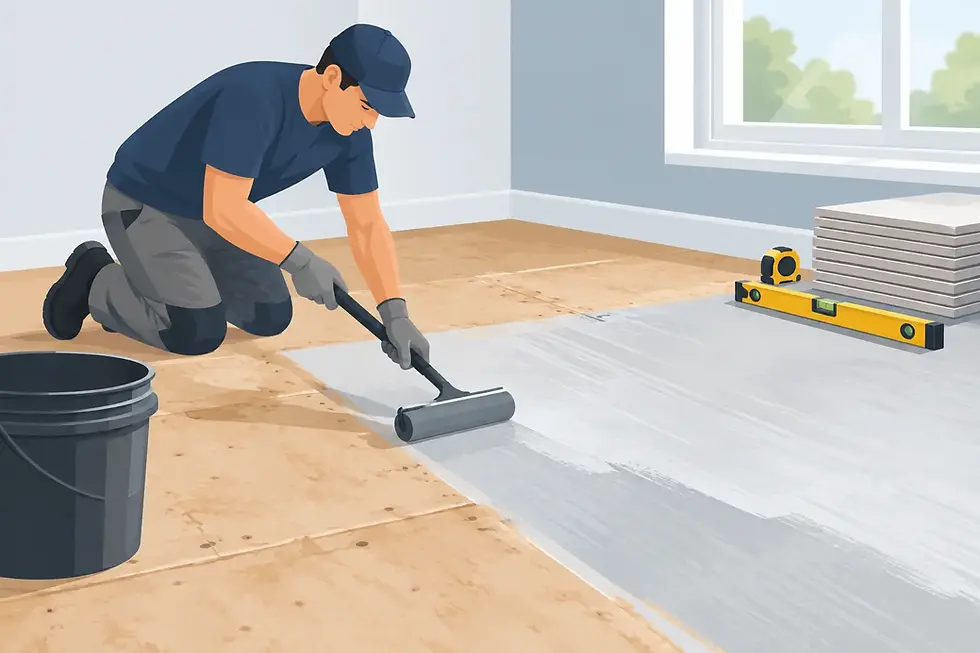
Finish should be applied in thin, even coats over a properly prepared surface. Allow adequate dry time between coats and follow the product manufacturer's coverage and curing requirements. Applying finish too heavily, recoating before it is dry, or working in poor humidity conditions can lead to cloudy areas and premature failure.
There is a practical trade-off here. Frequent stripping can remove yellowed finish, but aggressive or unnecessary stripping takes time, creates disruption, and can wear down the VCT surface. In many facilities, a planned scrub-and-recoat program is the more economical option between full restoration cycles.
Control the Sources of Soil, Water, and Sunlight
Entryway protection has a direct impact on VCT appearance. Use walk-off mats long enough to capture moisture and grit before people reach the finished floor. Mats should be vacuumed, cleaned, and lifted regularly so moisture and debris do not accumulate beneath them. Select mats with backing approved for resilient flooring, and rotate or reposition them when practical to prevent a sharp difference in color between covered and uncovered areas.
Address water quickly. Place absorbent protection near entrances during rain and snow events, repair plumbing leaks, and make sure cleaning crews are not flooding the floor during mopping. If a section repeatedly shows staining or finish failure, investigate the source rather than applying more wax over the top.
Window coverings, UV-filtering film, or thoughtful furniture placement may help in areas with sustained direct sun. These measures will not eliminate every color change, but they can reduce uneven aging and help the floor maintain a more consistent appearance across the room.
Build a Maintenance Schedule Around Actual Traffic
A calendar-based maintenance plan is useful, but traffic patterns should drive the final schedule. A busy Boston-area lobby, school corridor, or public service counter may need daily attention and regular machine scrubbing. A conference room may only need routine cleaning and periodic inspection.
A practical program usually includes daily dry soil removal, scheduled damp mopping, periodic machine scrubbing, and timely spot repairs to the finish. Full stripping and refinishing should be scheduled when the finish has become deeply discolored, uneven, heavily scratched, or difficult to clean despite proper routine care.
Watch for warning signs instead of waiting for the entire floor to look worn. A professional should evaluate these conditions:
Yellow or brown traffic lanes that do not improve after normal cleaning
Dull areas beside high-gloss sections or visible buildup along baseboards
Peeling, cracking, or powdering finish
Dark outlines beneath mats, furniture, or equipment
Recurring stains or cloudy areas after cleaning
Early action often allows a maintenance crew to correct a limited area through deep cleaning, burnishing, or a scrub-and-recoat process. Waiting can turn a manageable service visit into a complete strip and refinish project.
Know When the Tile, Not the Finish, Is the Problem
Not all discoloration can be cleaned away. Older VCT may have permanent color change from age, sunlight, moisture exposure, adhesive issues, or past chemical damage. If stripping removes the yellowed finish but the tile remains discolored, continued coating will not restore the original color.
At that point, the best option depends on the floor's condition and budget. Isolated damaged tiles may be replaced if matching material is available. A broader area may benefit from restoration work that improves uniformity, while severely worn or permanently stained flooring may justify replacement. A site assessment helps separate finish-related yellowing from material-level discoloration before money is spent on the wrong remedy.
For high-traffic facilities, the goal is not to keep VCT untouched. It is to keep the protective system working, the appearance consistent, and the maintenance cost predictable. Otis Flooring can help facility teams establish practical VCT cleaning, recoating, and restoration schedules that fit occupied buildings, required access windows, and the condition of the floor already in place.
A floor that receives the right care before discoloration sets in is easier to clean, safer to maintain, and far less likely to demand an emergency restoration project at the worst possible time.


Comments