


School Hallway Flooring That Holds Up to Traffic

A school hallway can see thousands of footsteps before lunch. Add rolling carts, backpacks, wet boots, cafeteria traffic, and daily cleaning, and the floor becomes one of the hardest-working surfaces in the building. School hallway flooring has to do more than look presentable on opening day. It needs to stay safe, cleanable, and serviceable through years of constant use.
For facility managers, school administrators, and general contractors, the right decision starts with the operating conditions. Traffic volume, moisture, cleaning practices, subfloor condition, budget, and the available installation window all affect which flooring system will perform best. A lower initial price can become expensive if the material needs frequent repair, loses its finish quickly, or requires more downtime than the school can accommodate.
What School Hallway Flooring Must Handle
Hallways are transition zones, not controlled spaces. Students track in water, salt, sand, and dirt from entrances. Custodial teams move equipment through them. Class changes create concentrated traffic patterns, especially around lockers, stairwells, restrooms, cafeterias, and main entries.
That reality calls for a floor with dependable wear resistance and a maintenance plan that staff can carry out consistently. Slip resistance matters, but so does cleanability. A heavily textured finish may improve traction in some conditions, yet it can also hold soil and make routine mopping more difficult. The best choice balances safety with the school district's actual cleaning capacity.
Appearance should also be considered in practical terms. Patterned or multi-tone products can disguise dust and minor scuffs better than a solid light color. Strategic color changes can help define zones, improve wayfinding, or create visual interest without relying on floor finishes that demand constant attention.
Common Materials for School Hallway Flooring
There is no single material that works for every school. The right option depends on the building, maintenance program, available budget, and whether the project is new construction, renovation, or a targeted replacement.
VCT for value and long-term service
Vinyl composition tile, commonly called VCT, remains a practical option for many schools. It is economical, available in many colors, and straightforward to repair when individual tiles are damaged. With proper stripping, waxing, and routine care, VCT can provide years of service in busy institutional settings.
The trade-off is maintenance. VCT depends on a consistent floor finish program to protect its appearance and improve cleanability. If waxing is deferred or cleaning chemistry is poorly managed, the floor can dull, stain, and show traffic lanes. For districts with trained custodial staff and an established maintenance schedule, VCT can be a cost-effective choice. For facilities looking to reduce finish-related labor, another resilient flooring option may make more sense.
LVT and vinyl plank for design flexibility
Luxury vinyl tile and vinyl plank offer a broad range of visual options, including stone, terrazzo, and wood looks. In a hallway, commercial-grade LVT can provide a more updated appearance while remaining comfortable underfoot and relatively easy to clean.
Product selection matters. School corridors require commercial wear layers, appropriate adhesive systems, and careful substrate preparation. A decorative vinyl product chosen for light commercial use may not hold up under rolling loads and daily student traffic. Installation details at transitions, wall bases, and doorways also matter, since those are common areas for edge damage.
LVT can be a good fit for renovated academic wings and public-facing areas where appearance is a priority. It is not automatically maintenance-free, however. Dirt acts like sandpaper, so regular dry soil removal remains essential to protect the surface.
Rubber flooring for traction and comfort
Rubber flooring is often worth considering near gymnasiums, stair landings, locker room corridors, and other areas where traction and impact resistance are priorities. It is resilient underfoot, quiets footfall, and handles many high-traffic conditions well.
Its initial cost can be higher than VCT, and some rubber products require specific cleaning methods. The material should be selected with the facility's cleaning equipment and chemical program in mind. When installed correctly, rubber can be a strong long-term solution in demanding zones.
Porcelain tile and epoxy for specific conditions
Porcelain tile can perform well in entry vestibules and areas exposed to frequent moisture, provided the selected finish offers appropriate slip resistance. It is highly durable, but grout lines need planned cleaning and maintenance. Tile also involves a higher material and installation cost than many resilient systems.
Epoxy floor coatings may be appropriate for service corridors, mechanical support areas, receiving spaces, or other back-of-house locations. They create a continuous, durable surface, but success depends heavily on moisture testing, concrete preparation, and correct installation conditions. Epoxy is usually a specialized solution rather than the default choice for every student corridor.
Safety Starts With Details, Not Just Material
A floor can have a good traction rating and still create problems if the installation overlooks transitions, drainage, or cleaning practices. Uneven patches, curling edges, damaged base, and abrupt changes in floor height can all become trip hazards in a busy school.
Wet-weather planning is equally important. Entry matting should capture water and grit before it reaches the main corridor. Mats need enough length to be effective, and they must be secured so they do not shift under traffic. In New England, winter moisture and deicing salt can be especially hard on floors near exterior doors.
Color contrast can also support safety. Clearly defined stair approaches, doorway transitions, and changes in elevation help students, staff, and visitors move through the building with greater confidence. These details are often easier and less costly to address during planning than after occupancy.
Installation Planning That Protects the School Schedule
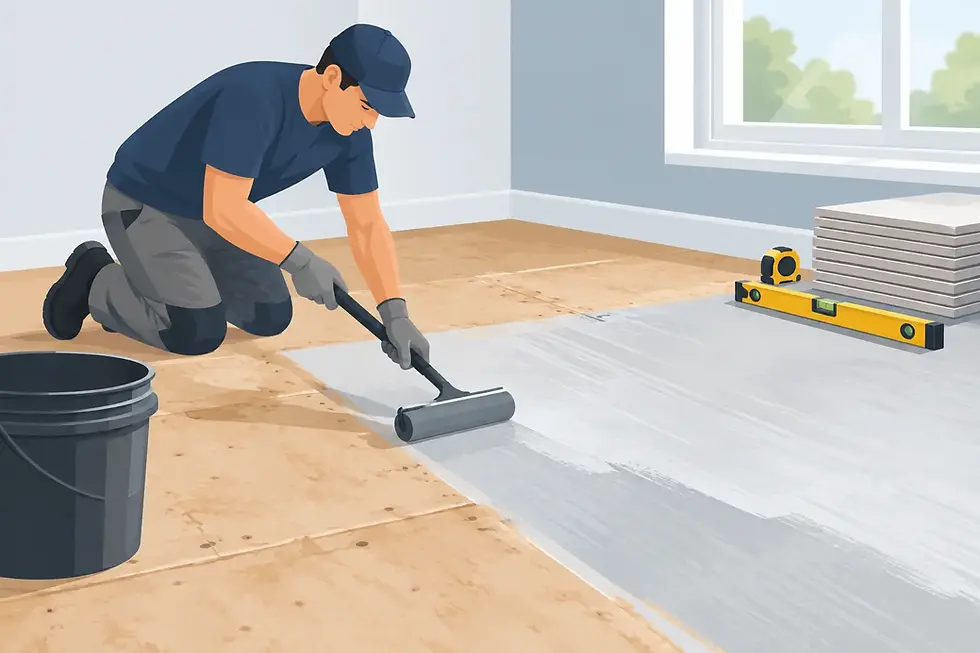
The strongest flooring specification can still fail if the work is rushed into an unrealistic schedule. Hallway projects often require demolition, moisture testing, substrate repairs, patching, leveling, adhesive cure time, installation, transitions, and final detailing. Each step affects the next.
A hands-on flooring contractor should walk the space before pricing and identify conditions that could affect the schedule. Existing moisture, old adhesive, cracked concrete, uneven slabs, or damaged underlayment should not be treated as minor surprises after work begins. Addressing them early helps protect both the budget and the opening date.
Many school hallway projects are best scheduled during summer break, winter recess, long weekends, or phased night work. The right approach depends on the size of the area and whether the building must remain occupied. Phasing can keep routes open, but it may add time and labor because crews need to mobilize repeatedly and protect completed areas.
Before work begins, the project team should confirm four items:
Which hallways must remain open for egress, deliveries, or summer programs.
Where materials, equipment, and debris can be staged without blocking operations.
Whether asbestos, moisture, or substrate testing is required before demolition.
When the floor can accept foot traffic, rolling equipment, and routine cleaning.
Maintenance Is Part of the Flooring Decision
A new floor performs best when maintenance expectations are clear from day one. Daily dust removal prevents abrasive grit from wearing the surface. Prompt spill cleanup reduces staining and slip risks. Entrance mats should be vacuumed and cleaned often enough that they continue capturing debris rather than redistributing it.
For VCT, periodic scrub-and-recoat work can extend the life of the finish and postpone full stripping. For LVT, rubber, tile, and epoxy, use manufacturer-appropriate neutral cleaners and avoid aggressive chemicals that can leave residue or damage the surface. Grout cleaning deserves separate attention in tiled areas, particularly at entries where soil accumulates quickly.
A maintenance program should be based on traffic, not simply a calendar. A main corridor outside the cafeteria may need more frequent service than a quiet administrative wing. Regular walkthroughs make it easier to address small issues before they become widespread repairs.
Choose a Contractor Who Plans for the Whole Scope
School flooring work involves more than putting material on the floor. It requires accurate estimating, material coordination, substrate preparation, safety planning, and a schedule that respects the building's operations. For greater Boston and New England facilities, seasonal weather and tight school break windows make that coordination even more important.
Otis Flooring approaches commercial projects with the same practical focus: assess conditions upfront, communicate clearly, and complete the work with attention to the details that affect long-term performance. The goal is a hallway floor that supports the school day instead of becoming another maintenance concern.
When planning the next corridor project, start with the busiest section of the building and the realities of how it is cleaned, used, and accessed. That is usually where the right flooring decision becomes clear.

Comments